
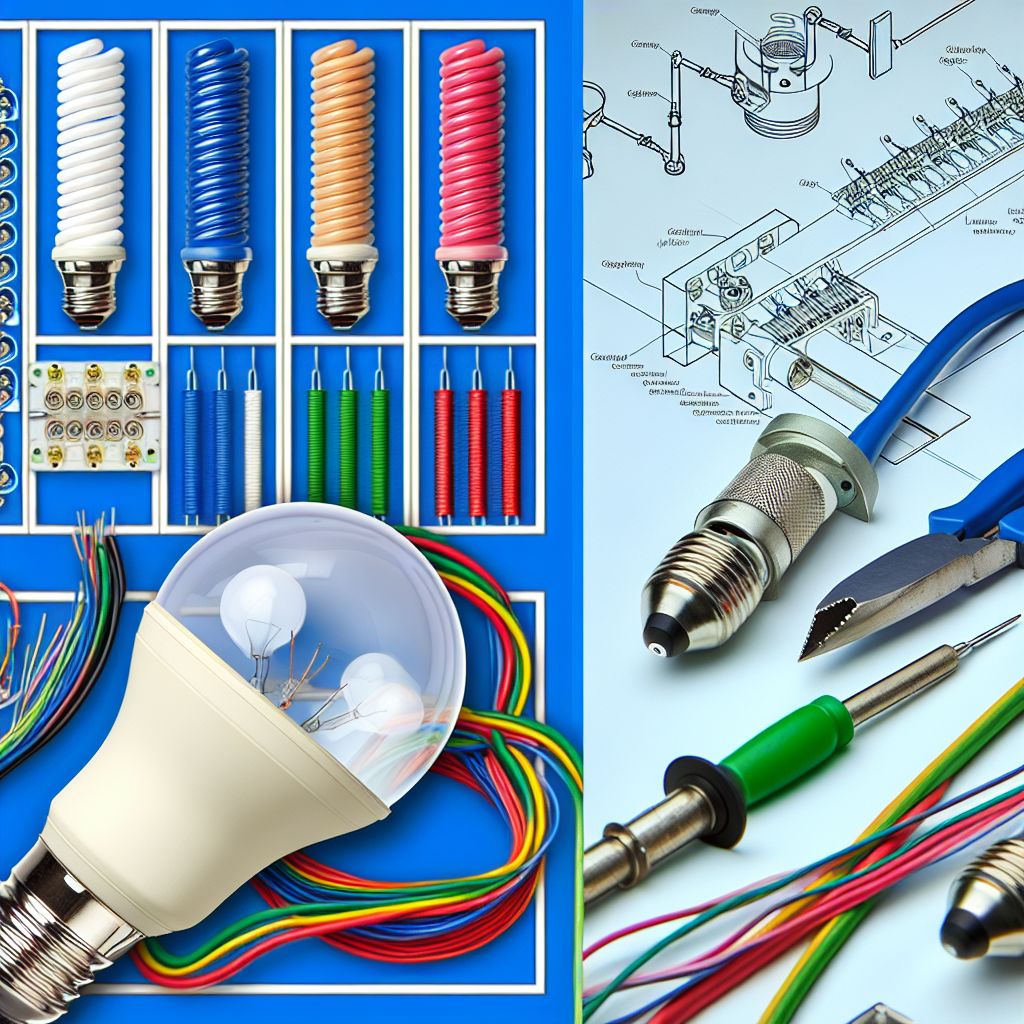
Creating an accurate and detailed wiring drawing for electrical light points is essential for safe and efficient installation. Proper wiring diagrams not only help installers understand connection points but also ensure compliance with safety standards. In this article, we’ll explore key aspects of electrical light point wiring drawings, from basics to detailed guidelines, to help both professionals and DIY enthusiasts.
Understanding the Fundamentals of Electrical Light Point Wiring Drawings
Before diving into the actual wiring diagram, it’s crucial to grasp the fundamental components involved in completing an electrical light point. A wiring drawing acts as a blueprint that visually explains how electrical components are interconnected. These drawings typically include symbols for switches, wires, fixtures, and protective devices.
Key elements of a wiring diagram for light points include:
- Power Source: Typically the main electrical panel or circuit breaker providing the power supply.
- Switches: Commonly used to control the light fixture, either single or multiple switches in a circuit.
- Light Fixture: The actual point of illumination, connected through wiring to switches and power source.
- Wiring Paths: Routes through which electrical current flows, represented with standardized symbols and lines.
Understanding these components and their symbols ensures accurate interpretation of wiring diagrams, leading to safer and more effective installations. It’s also essential to adhere to local electrical codes and standards to prevent hazards and ensure compliance.
Designing and Drawing an Electrical Light Point Wiring Diagram
Designing a wiring diagram involves a systematic approach that takes into account the layout of the space, the placement of light points, and safety considerations. Here are the core steps to creating an effective wiring drawing:
- Identify the Light Points and Control Devices: Determine where light fixtures and switches will be installed. For multiple switches controlling a single fixture, plan for a multi-way switch configuration.
- Map Out the Power Supply and Circuits: Establish the source of power, ensuring enough capacity for all connected devices. Include protective elements like circuit breakers to safeguard against overloads.
- Draw the Wiring Paths: Use standardized symbols for switches, lights, and wires. Clearly indicate wire routes, ensuring minimal interference and maximum safety. For large spaces, consider separate circuits for different zones.
- Label Components Clearly: Annotate each element with relevant details such as circuit number, wire type, and color code. Clear labeling simplifies troubleshooting and future modifications.
When drawing, always follow the electrical codes specific to your region, including wire gauges, protective devices, and clearances. Incorporating safety features like grounding and proper insulation is non-negotiable for a reliable wiring system.
Modern tools, like electrical CAD software, can facilitate precise and clean wiring diagrams, reducing errors during installation. Remember, an accurate drawing is the foundation for a safe and efficient electrical setup.
Final Thoughts
Understanding and creating detailed wiring drawings for electrical light points is vital for safe, efficient, and compliant electrical installations. By mastering the basics of wiring symbols, components, and schematics, professionals and DIY enthusiasts can ensure proper connections and troubleshoot issues effectively. Investing time in a well-prepared wiring diagram is key to successful electrical projects.