
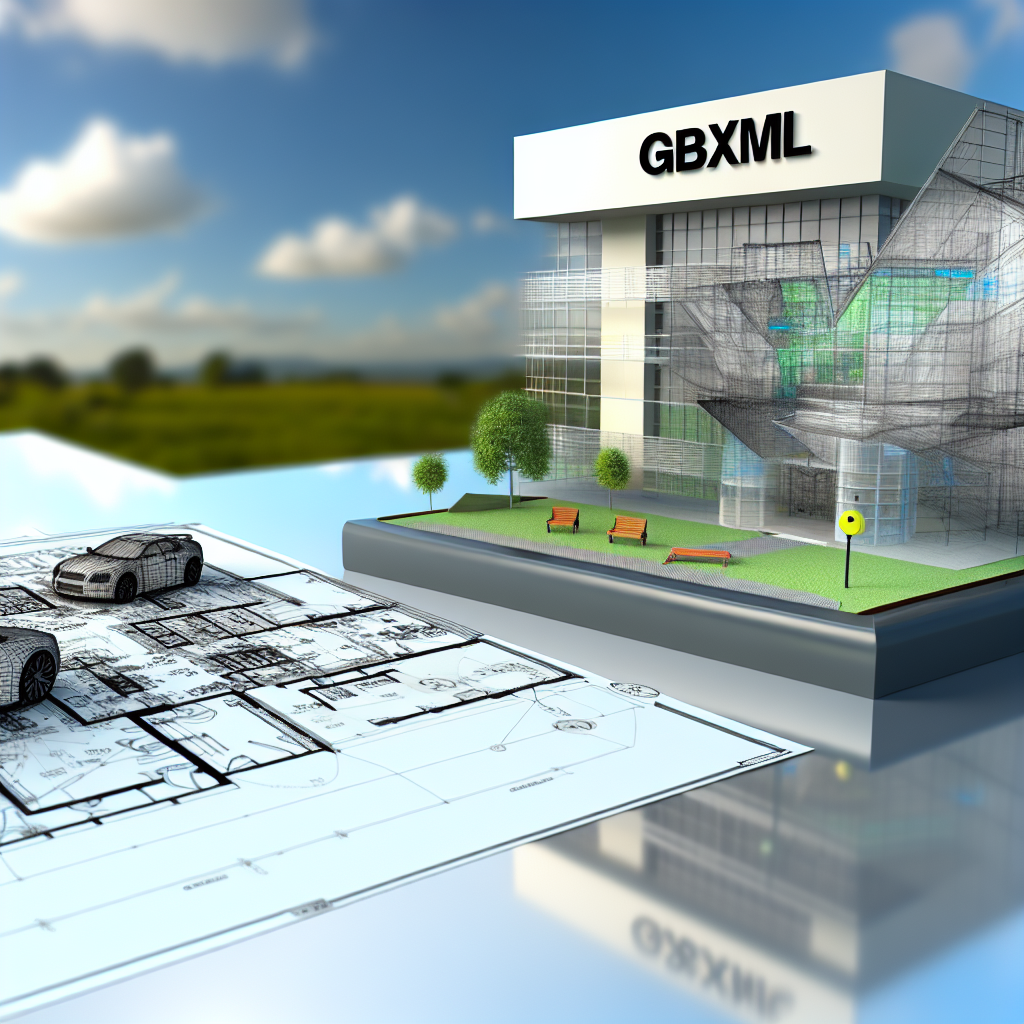
In today’s sustainable construction landscape, leveraging innovative tools like Green Building XML (gbXML) and Autodesk Revit Systems Analysis is essential for achieving energy-efficient, environmentally friendly buildings. This article explores how these technologies integrate to enhance green design practices and streamline building performance analysis, paving the way for smarter, more sustainable architecture.
Understanding green building XML (gbXML) and its Role in Sustainable Design
Green Building XML (gbXML) is an open schema designed to facilitate the exchange of building data between different energy and performance analysis programs. Its primary purpose is to enable seamless integration of detailed architectural models with energy simulation tools, promoting accurate analysis of a building’s environmental performance. gbXML acts as a bridge that converts complex 3D building information into manageable datasets required for simulation, which is crucial in sustainable design workflows.
By utilizing gbXML, architects and engineers can evaluate critical parameters such as thermal loads, daylighting, HVAC efficiency, and renewable energy potential early in the design process. This proactive approach allows for informed decision-making, reducing energy consumption, lowering operating costs, and minimizing environmental impact. As green building standards like LEED increasingly emphasize performance metrics, gbXML becomes an indispensable tool for meeting certification requirements efficiently.
Furthermore, adopting gbXML supports a collaborative workflow where different stakeholders—designers, consultants, and contractors—share accurate, consistent data. This integration reduces costly errors and accelerates project timelines, ultimately fostering a more sustainable and cost-effective building lifecycle. Therefore, understanding and implementing gbXML is vital for professionals committed to environmentally responsible construction practices.
Autodesk Revit Systems Analysis: Elevating Sustainable Building Performance
Autodesk Revit has revolutionized the architecture, engineering, and construction industries by providing a comprehensive Building Information Modeling (BIM) platform. Its advanced Systems Analysis tools allow users to simulate and analyze building performance in real-time, enhancing sustainable design objectives. Integrating Revit with gbXML enables detailed energy modeling, daylight analysis, and HVAC system optimization directly within the BIM environment.
The Systems Analysis features facilitate a holistic approach to sustainable design by offering insights into energy consumption, thermal comfort, and indoor air quality. For example, through Revit’s energy analysis tools, designers can evaluate different facade materials, window placements, and HVAC configurations to determine the most efficient options. This iterative process ensures that sustainability goals are integrated from the initial design phase, reducing the need for costly modifications later on.
Moreover, Revit’s compatibility with various simulation engines (like Green Building Studio and other gbXML-compatible tools) streamlines workflows between design and analysis. With such integration, teams can identify potential issues early, explore sustainable alternatives rapidly, and verify compliance with green building standards. Ultimately, Autodesk Revit’s system analysis capabilities empower professionals to create high-performance buildings that are both environmentally responsible and economically viable.
Conclusion
Integrating gbXML with tools like Autodesk Revit Systems Analysis represents a significant advancement in sustainable building design. These technologies enable detailed performance simulation, promote collaboration, and facilitate compliance with green standards. By adopting these innovations, industry professionals can design more energy-efficient, environmentally friendly structures—driving the future of sustainable architecture and construction.